One plain house on a corner lot, Down East. America got into me as a kid in Annapolis, Maryland, and it never got out — I keep crossing the ocean back to it. You either love this country or you hate it. I love it. This is what that love actually looks like: clapboard, granite, a red kitchen, September light.
Start with the flag — everything here sits under it. Thirteen stripes, fifty stars, one plain house in the northeasternmost of them.
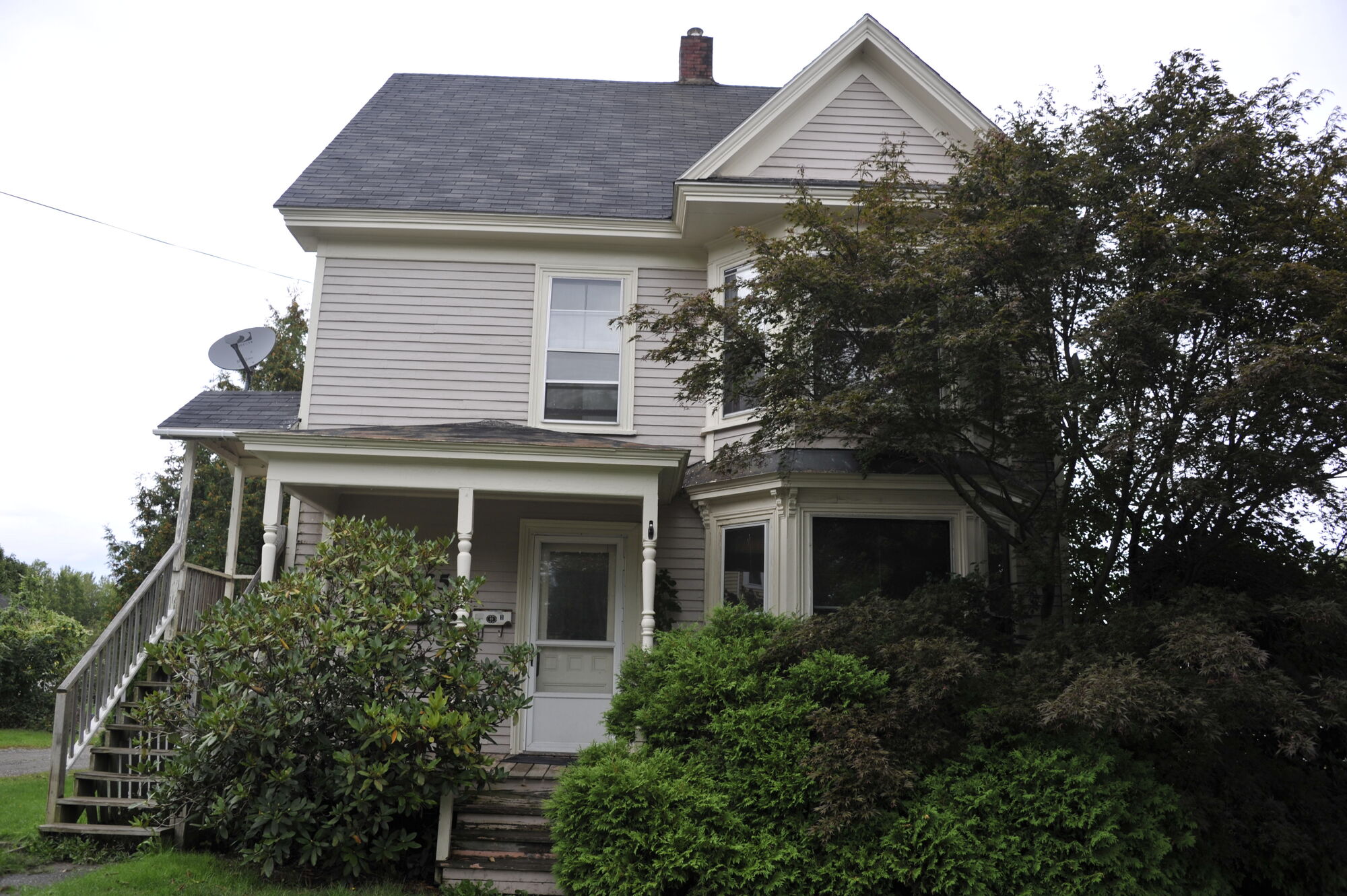
A clapboard house in the Queen City of the East
Where we are: Bangor, Maine — up the Penobscot from the sea, in the state the sun reaches first. Family took me to America young; family keeps bringing me back.

Every American town keeps a house like this — and hardly ever looks at it.
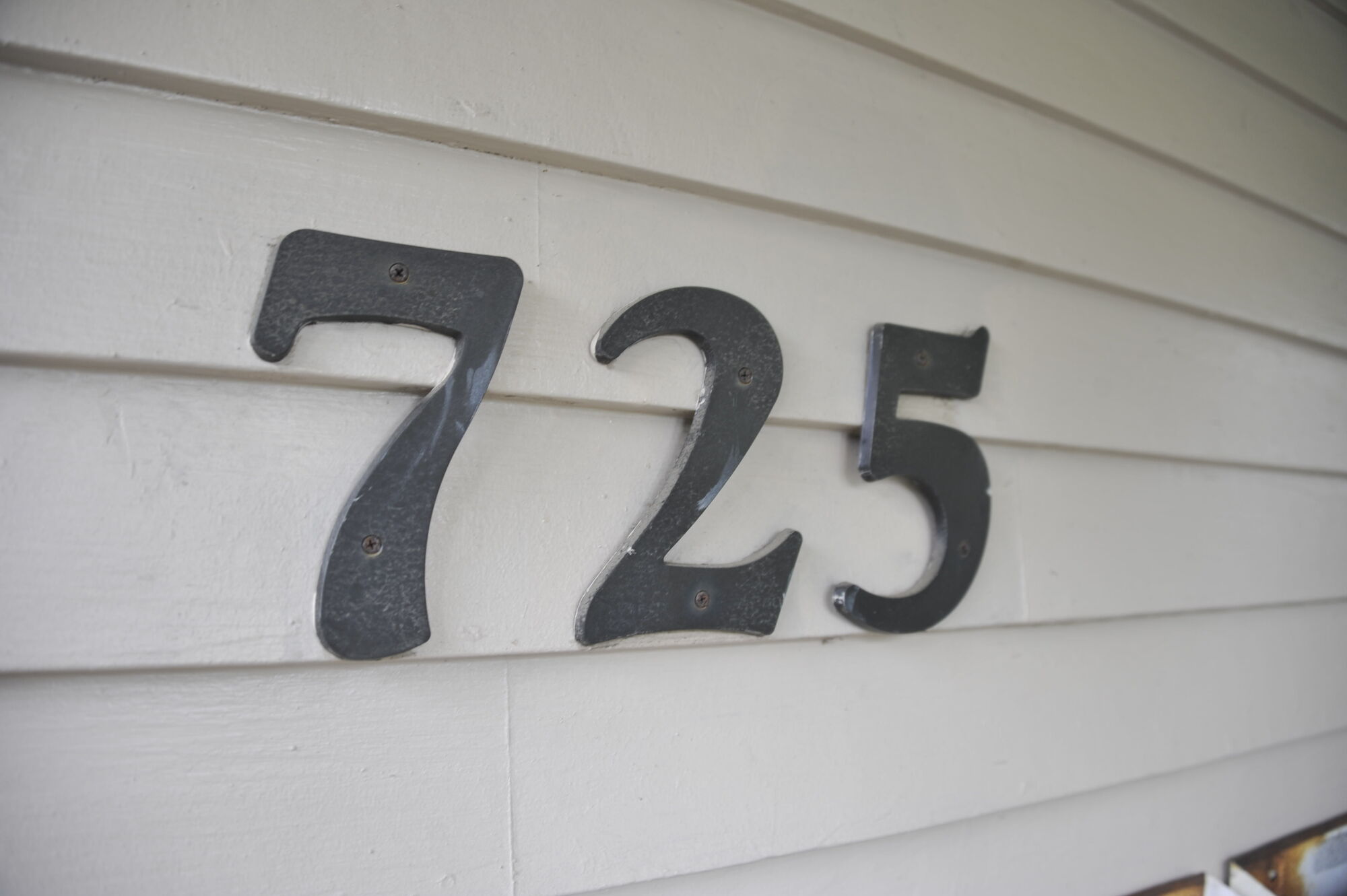
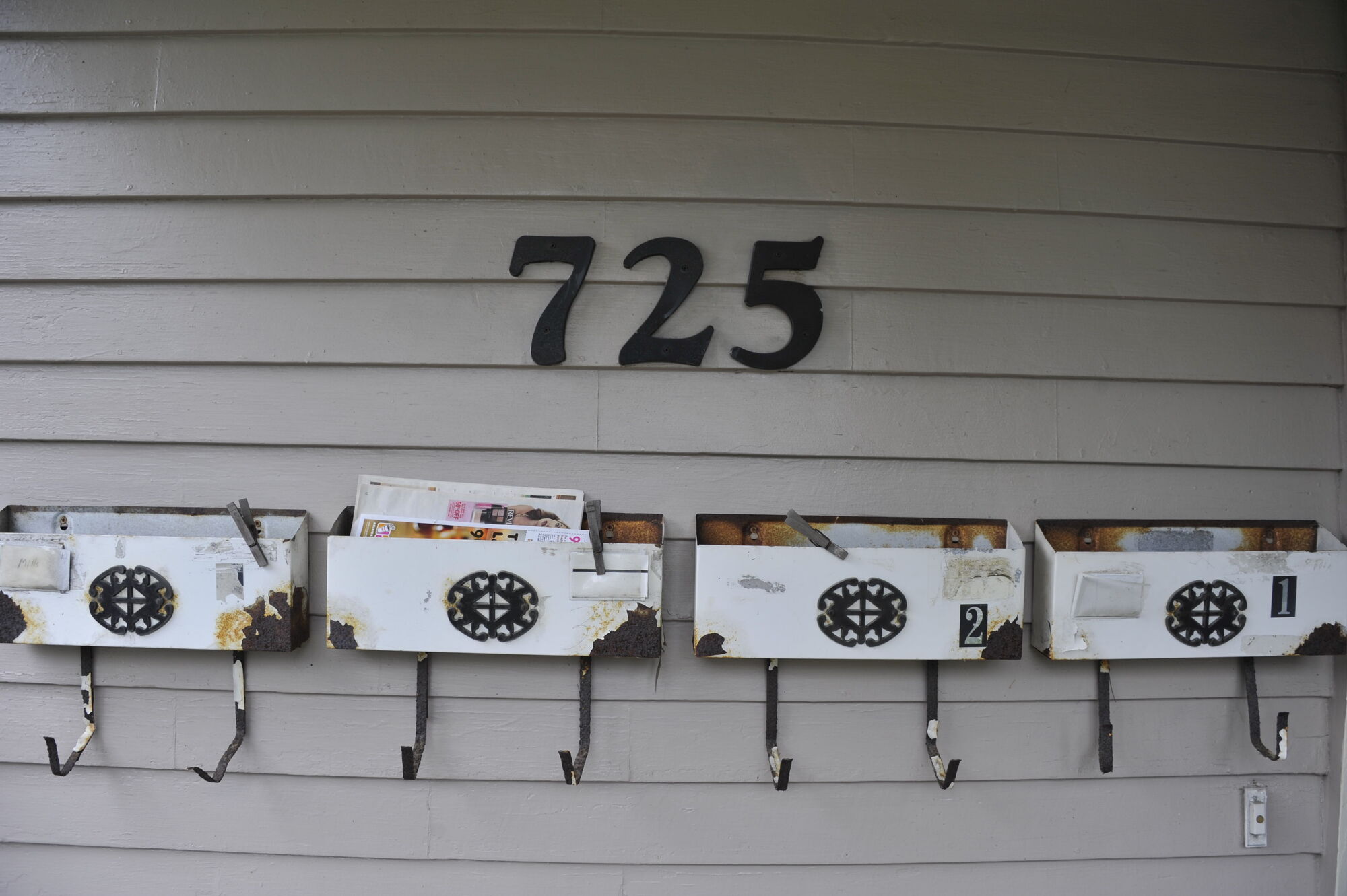
725Two storeys of pine clapboard, a porch, a bay window, a satellite dish. September, and the maples just starting to think about turning.

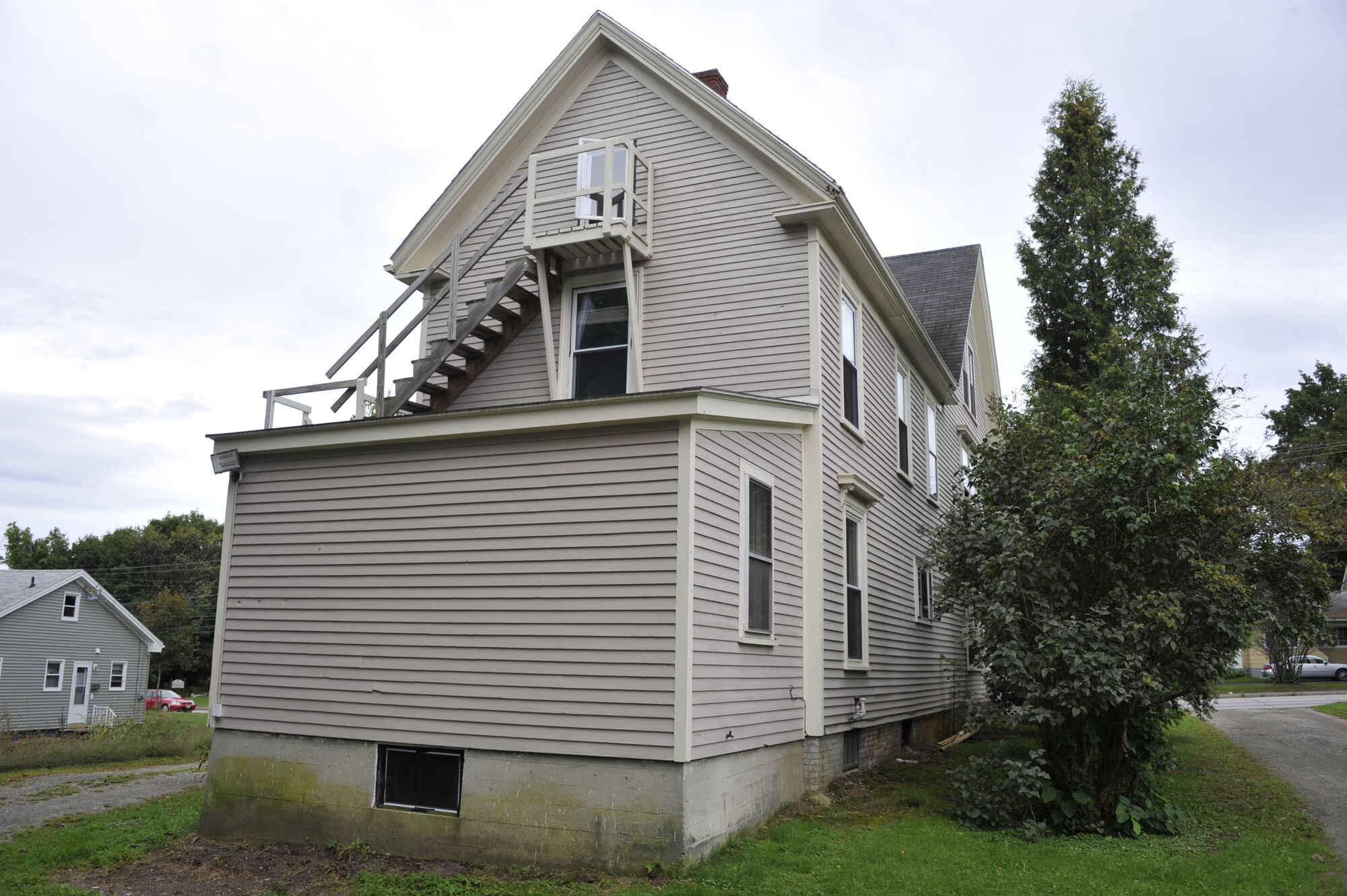
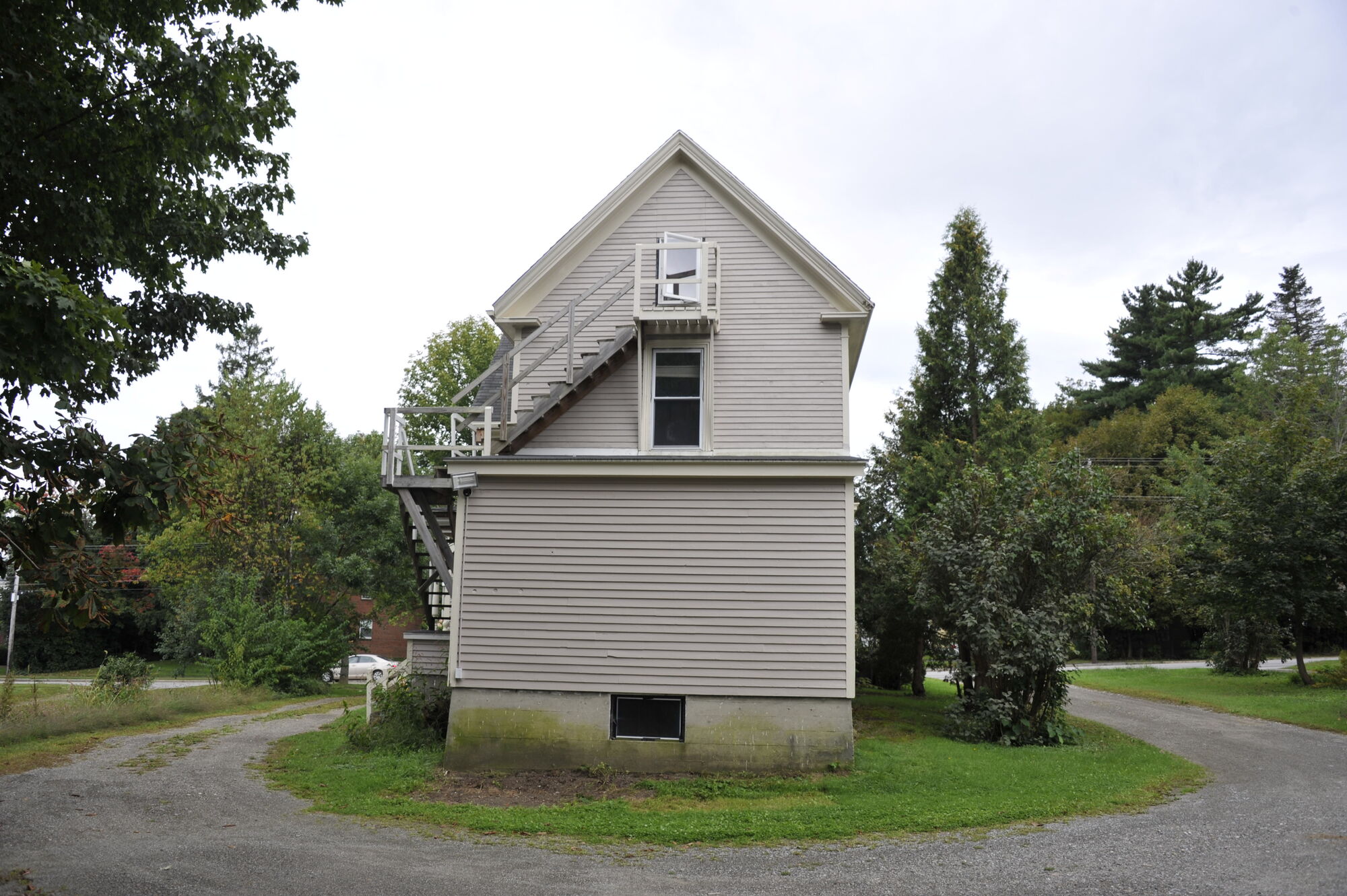
The long sideThe whole length of her, gable to gable. Timber-framed and clapboarded — the way New England has built since the seventeenth century, because pine was cheap and winters weren't.
The anatomy of the thing: an ordinary American two-family house — one front door each, one outside stair, granite underneath.

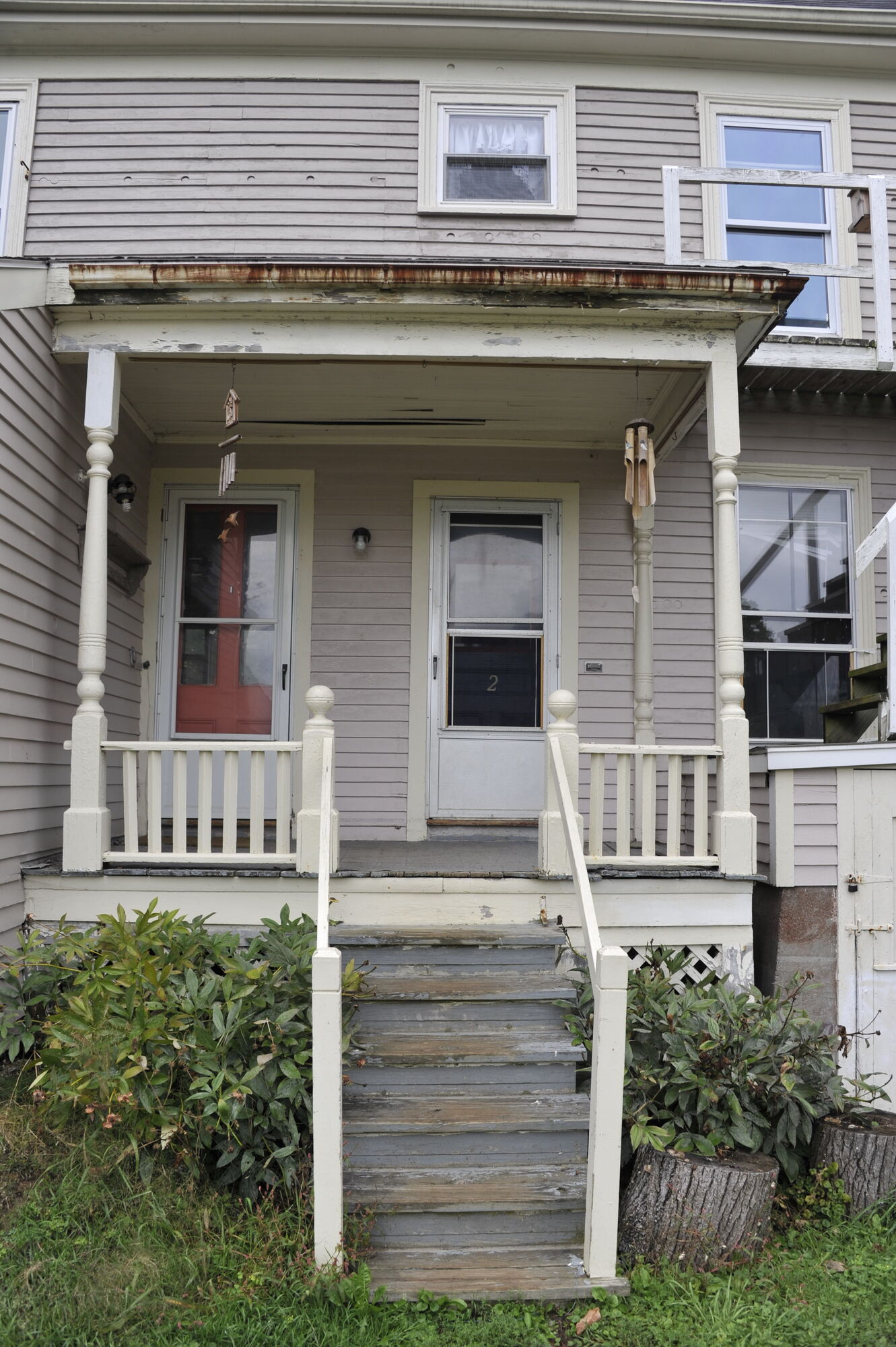
The porchWeathered treads, turned posts, a red inner door. An American porch is a room without walls — the republic's front row seat.


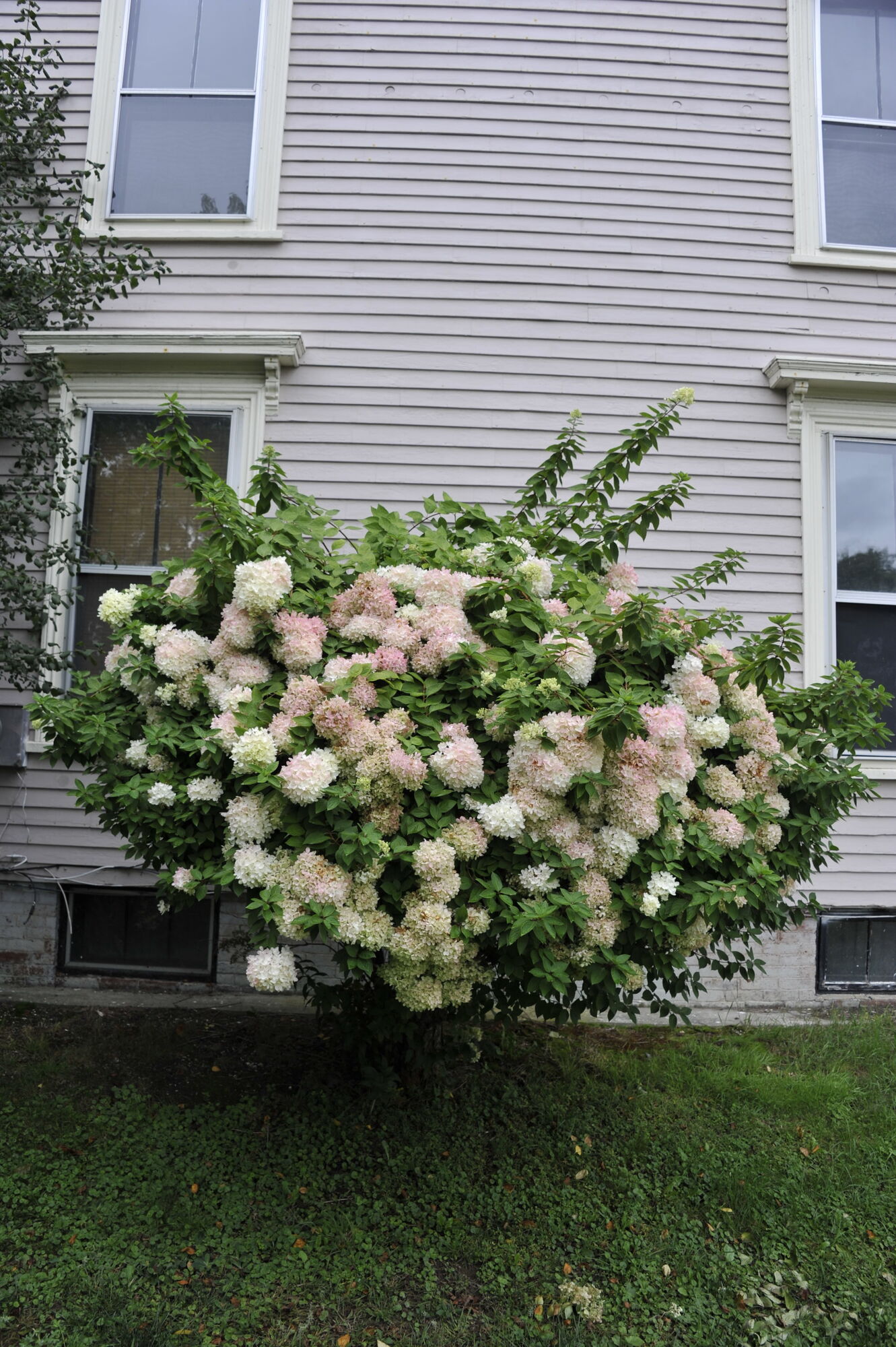
HydrangeaA PeeGee hydrangea going cream-to-rose against the siding — planted by somebody, sometime, for no reason except that a house should have one.

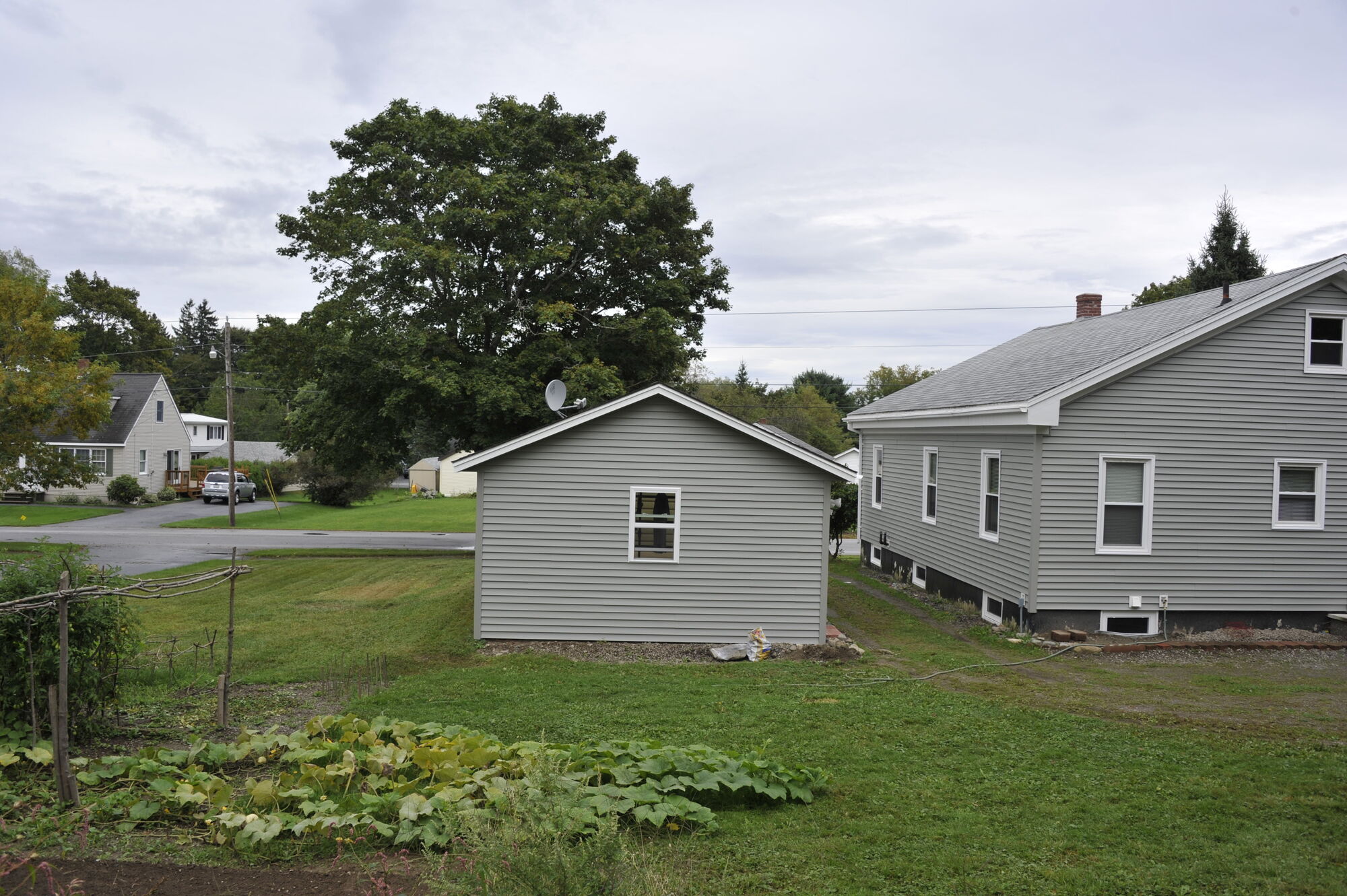
The back lotGarage, squash patch, a bean trellis, the neighbour's place beyond. Downtown Bangor is five minutes away; so, apparently, is the nineteenth century.

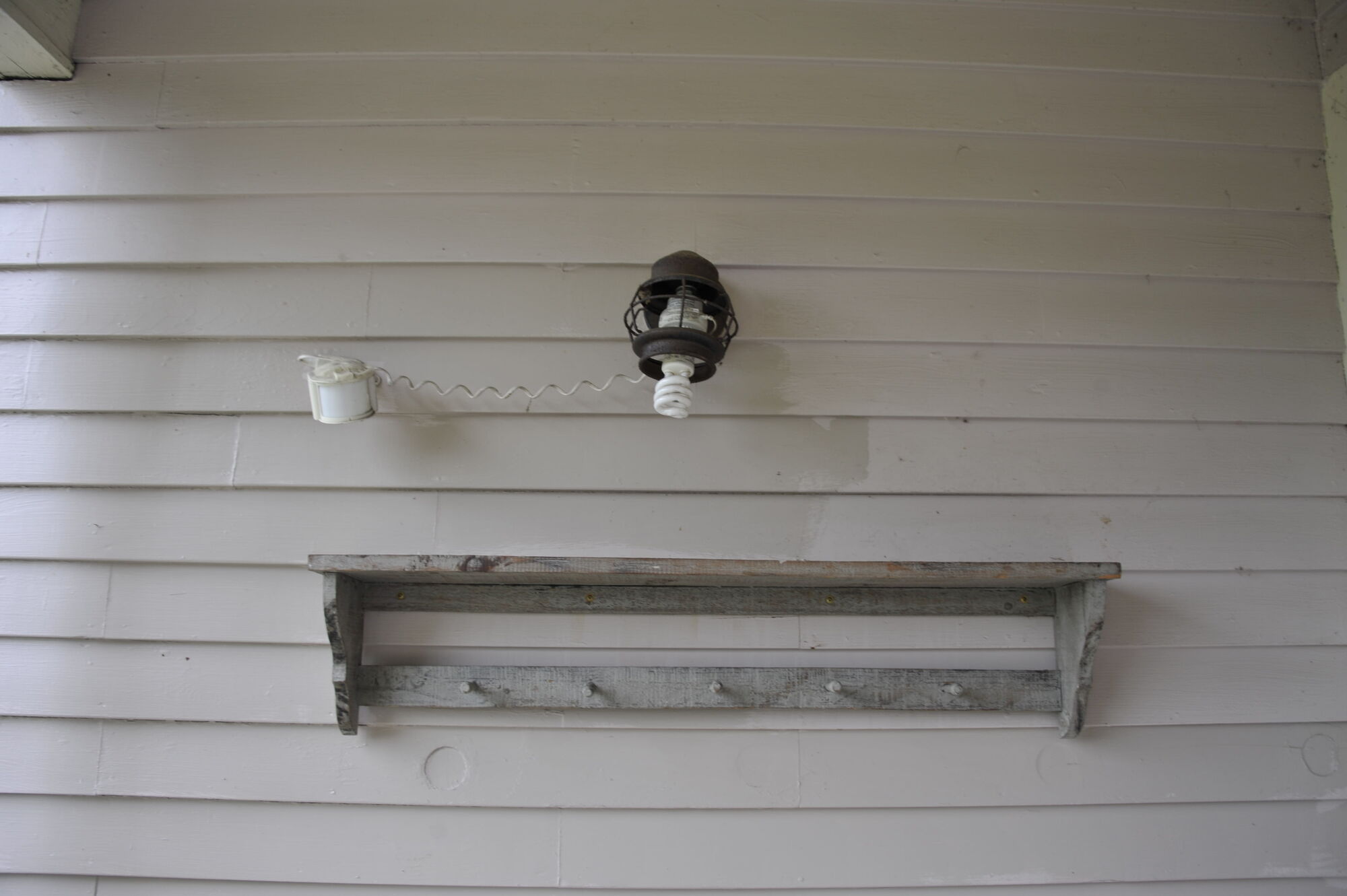
Porch fixturesA caged lamp, a paper cup, a shelf that has held whatever needed holding for a hundred years.
Granite, cobwebs, and the iron heart of the house
Below the pine there is stone. Maine sits on granite — it built Fifth Avenue and half the lighthouses on the coast — and every old house here keeps a piece of the ledge in its basement.

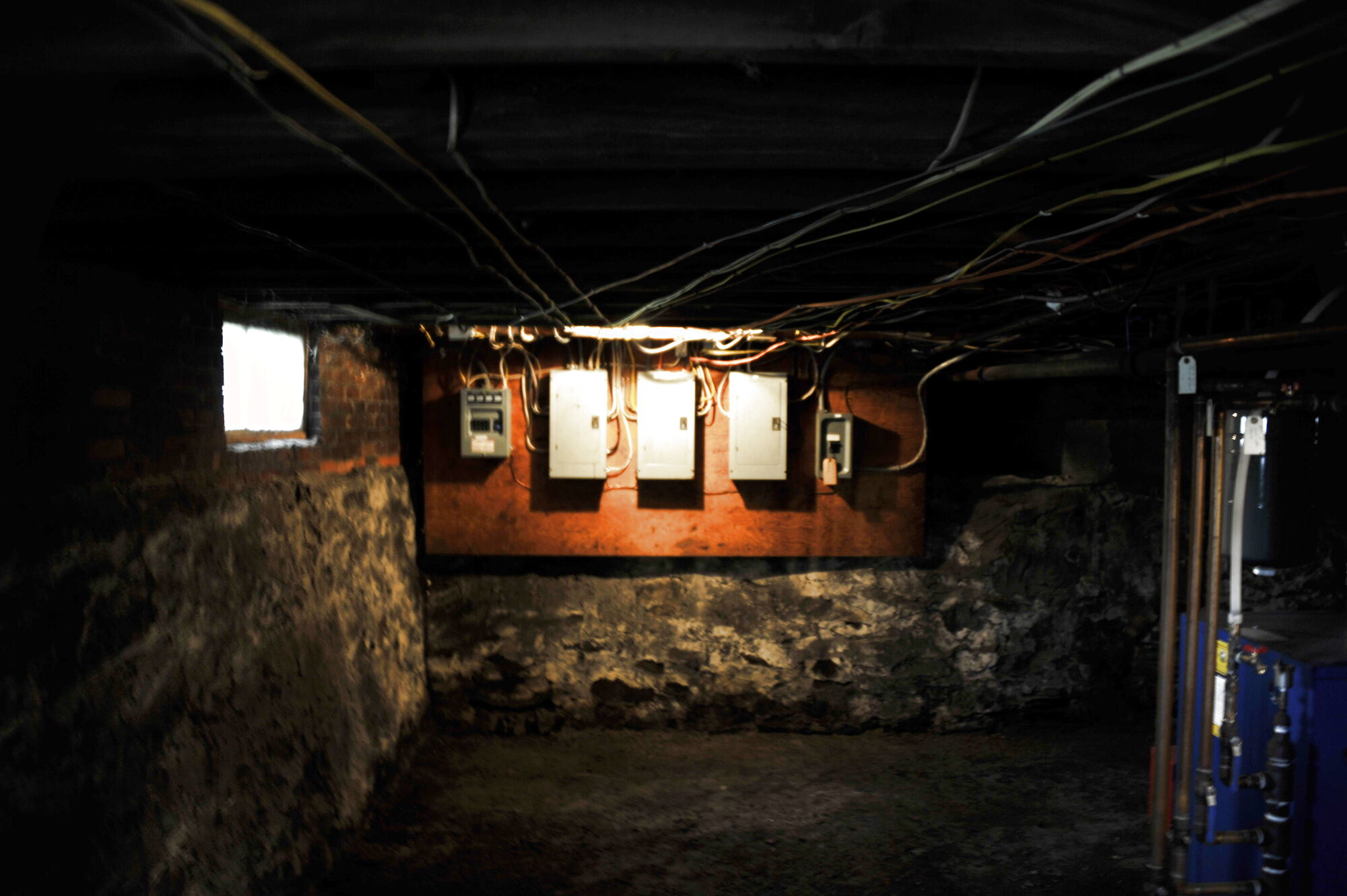
The panelsFuse boxes on a fieldstone wall, wired decade over decade — the twentieth century installed one amendment at a time.
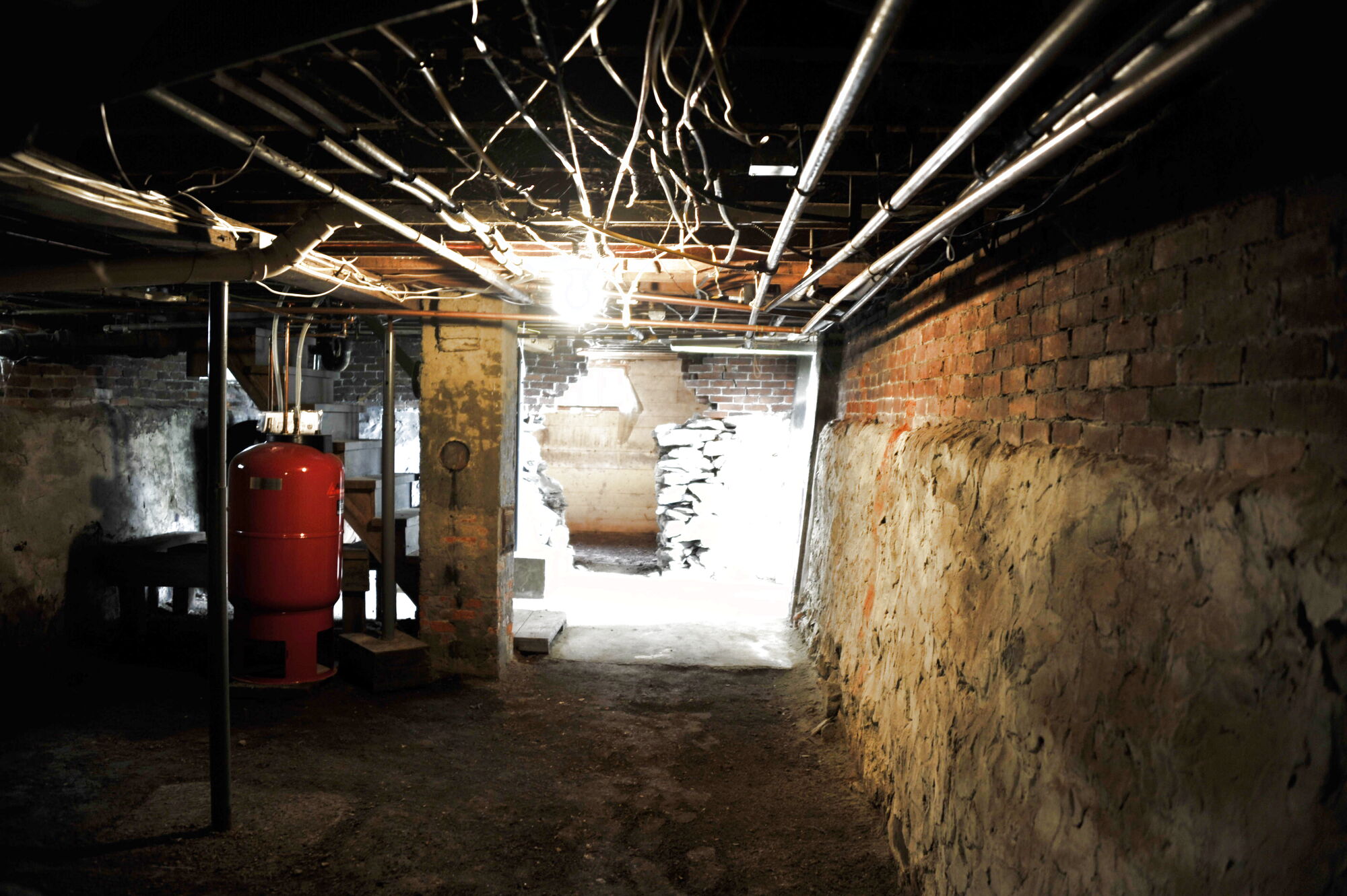
Mind the beams —
The furnaceCast iron, fire-engine red, older than anyone will admit. All winter it thuds away down here like the house's own heartbeat.
Beadboard the colour of a fire engine

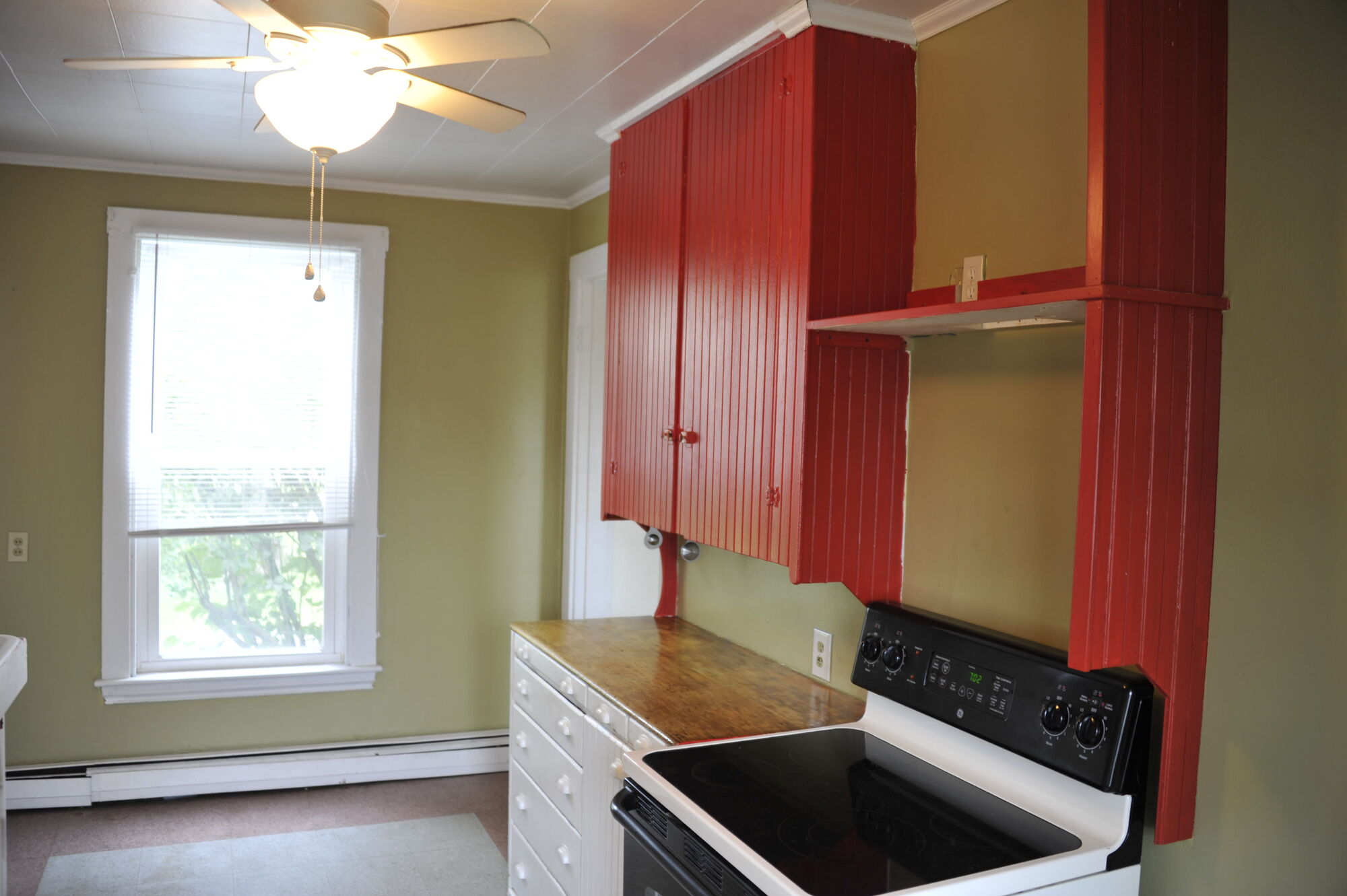
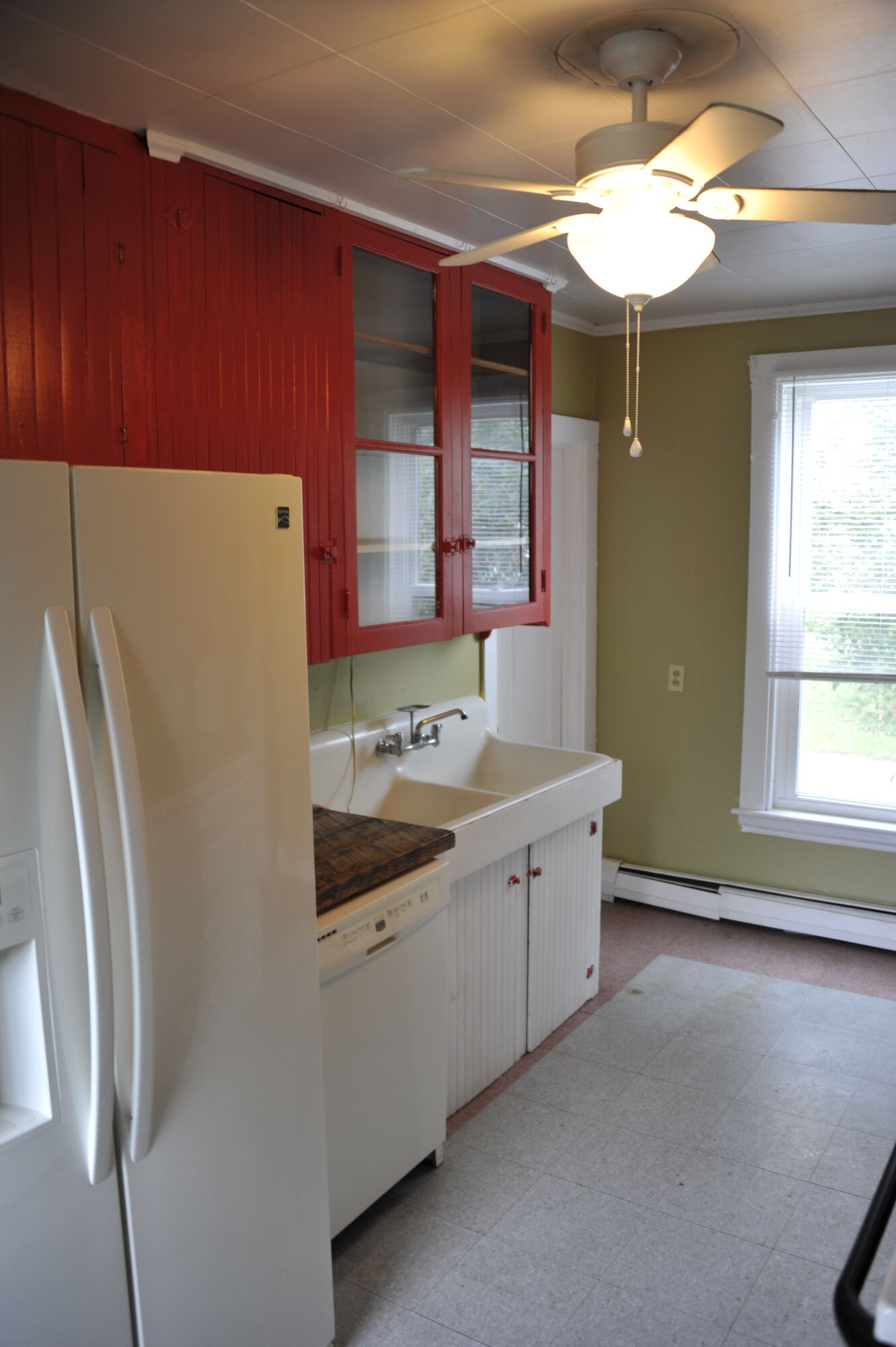
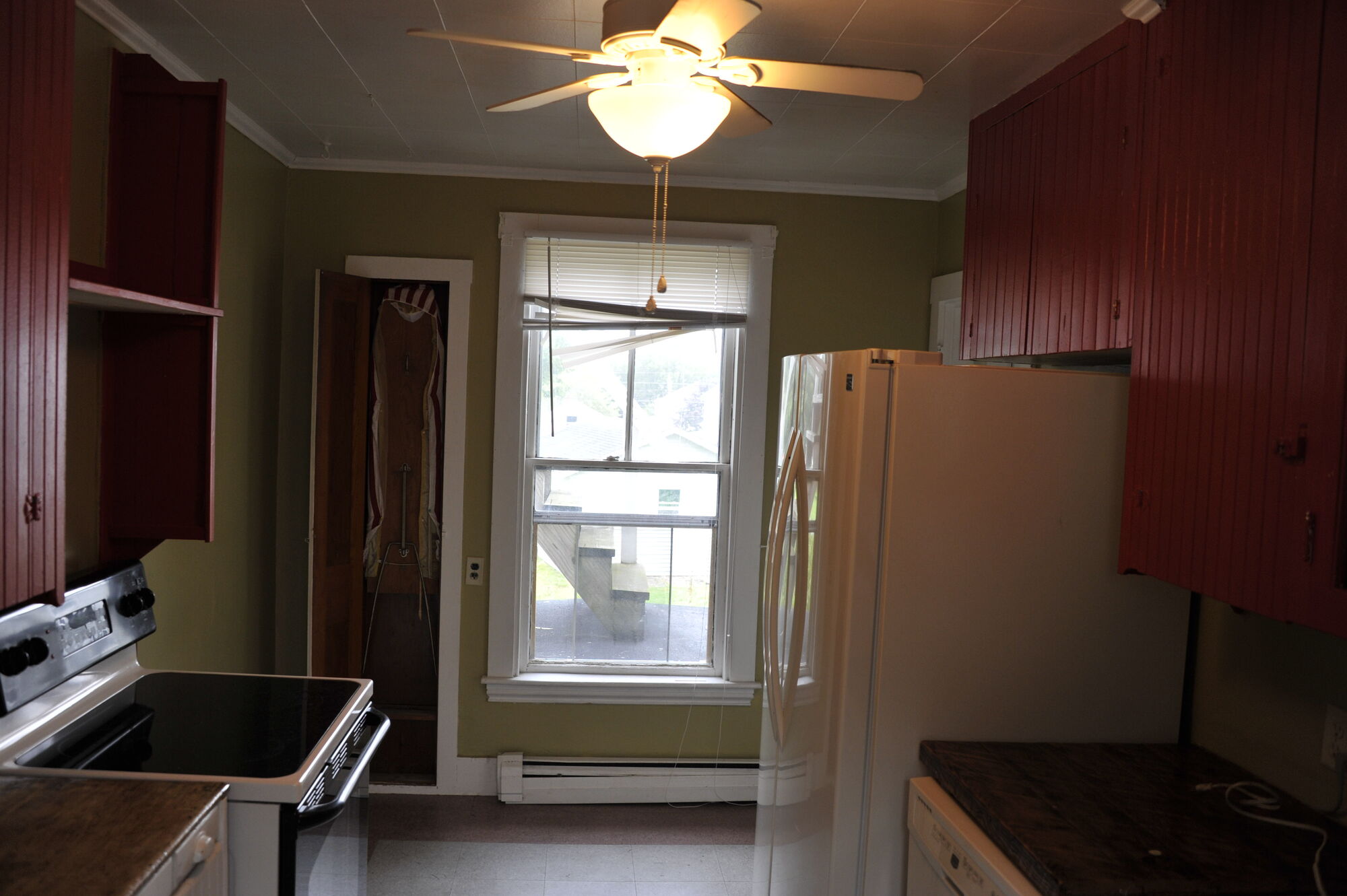
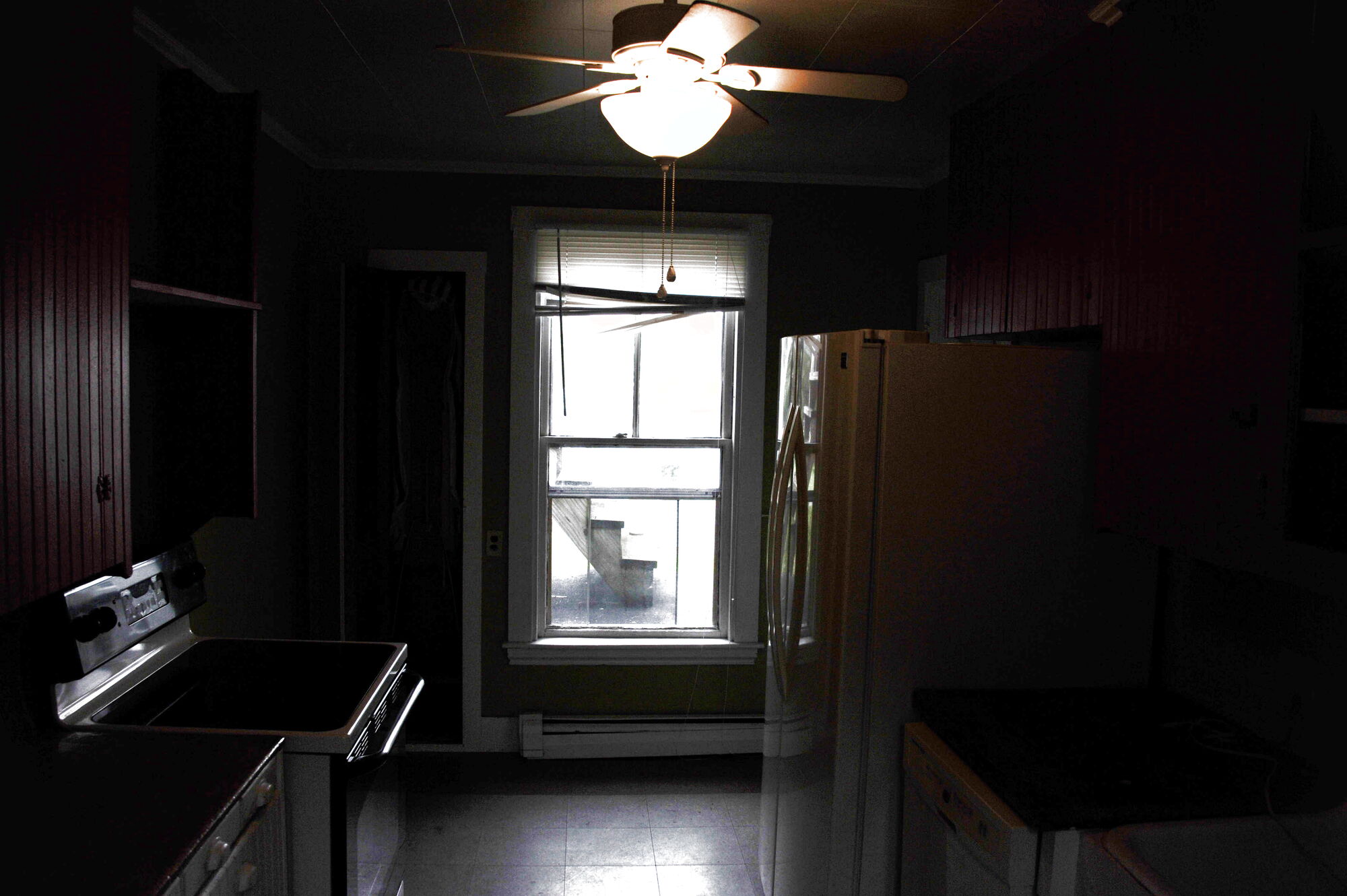
Barn redSomebody painted the beadboard cupboards barn-red over farmhouse-green walls, and was right to. This is the whole American kitchen: a stove, a window, a ceiling fan.


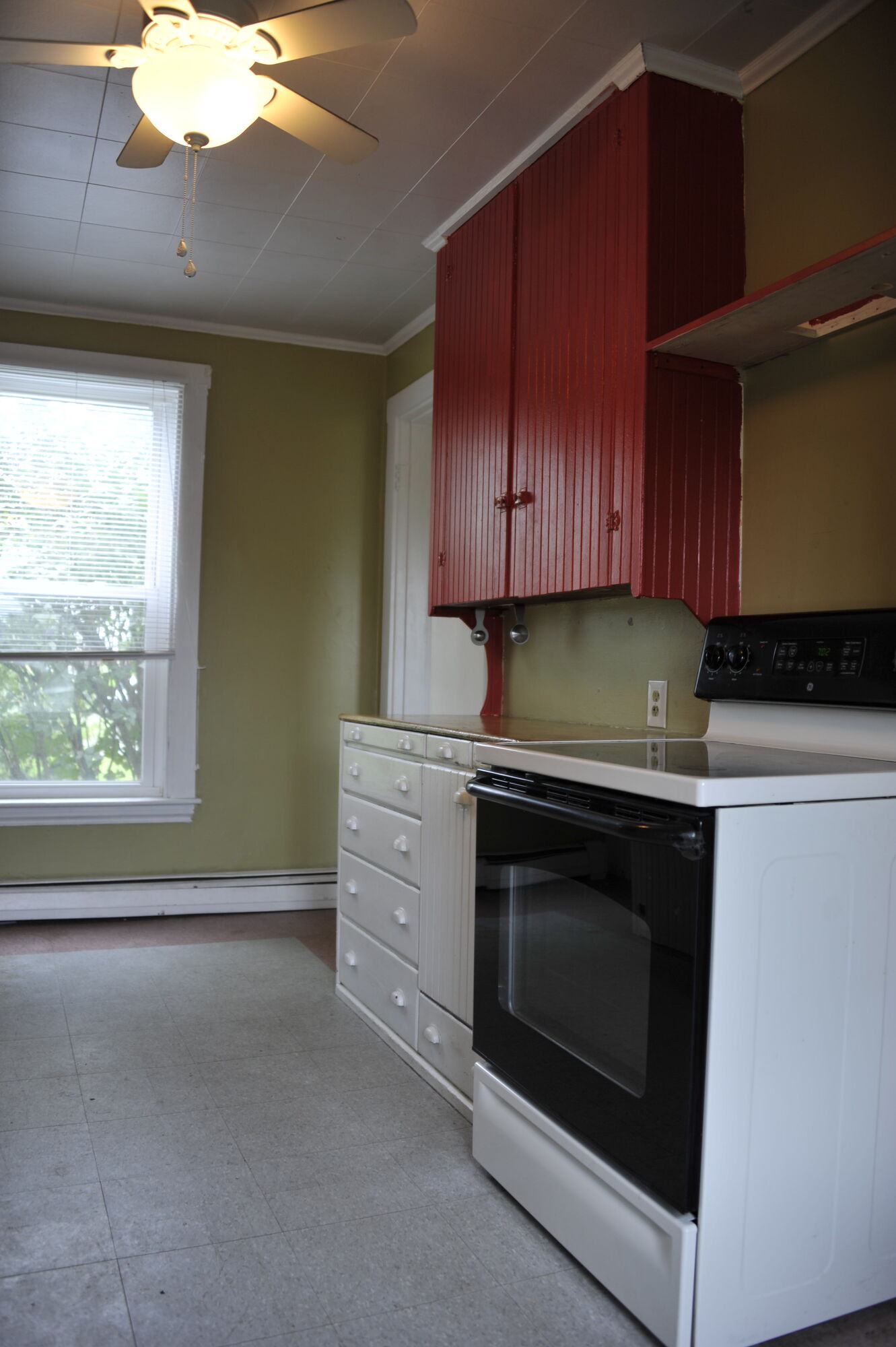
AfternoonThe same room, the light swung round. An empty kitchen isn't sad — it's between families, the way a stage is between plays.
Empty rooms, waiting rooms

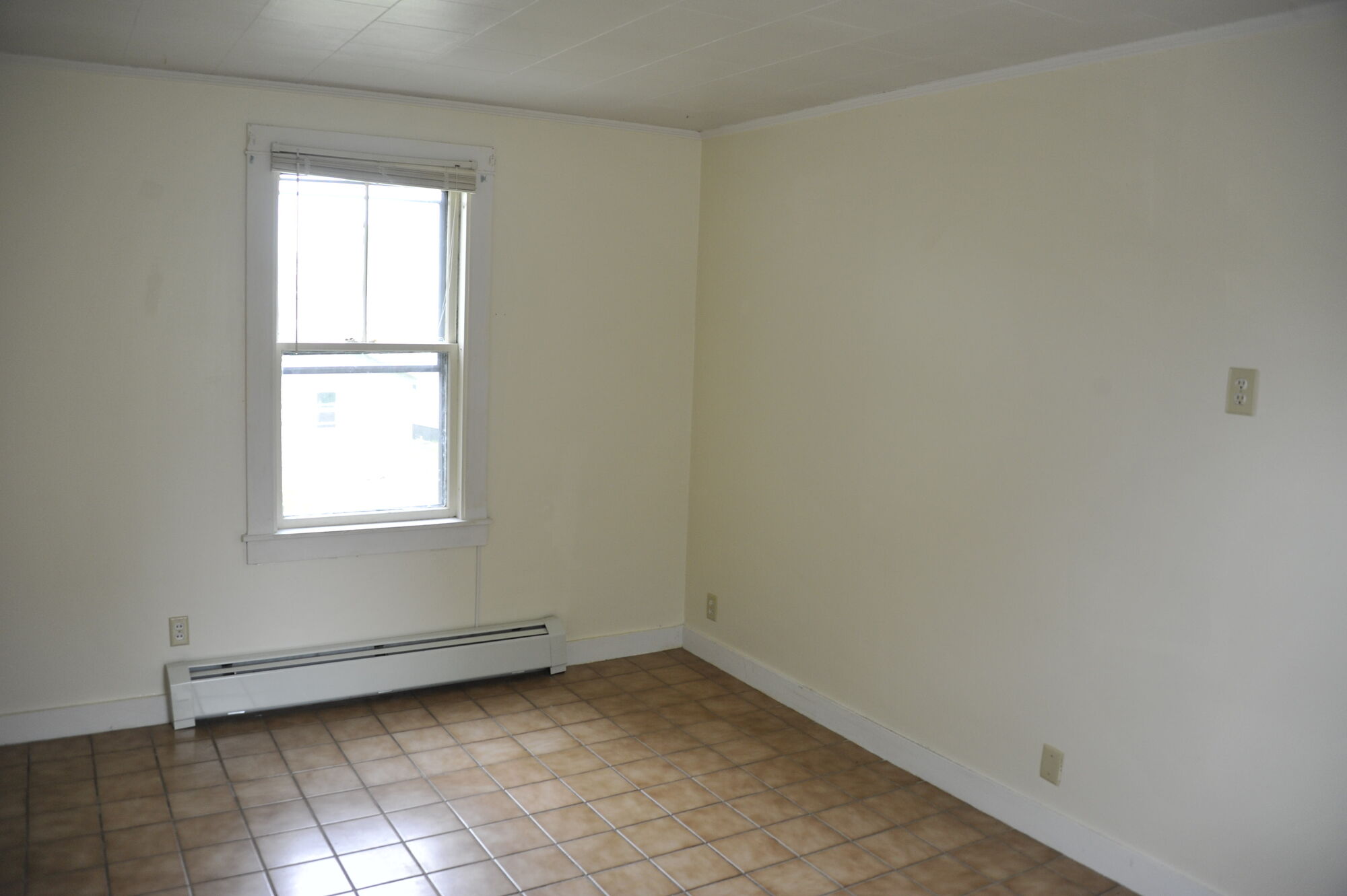
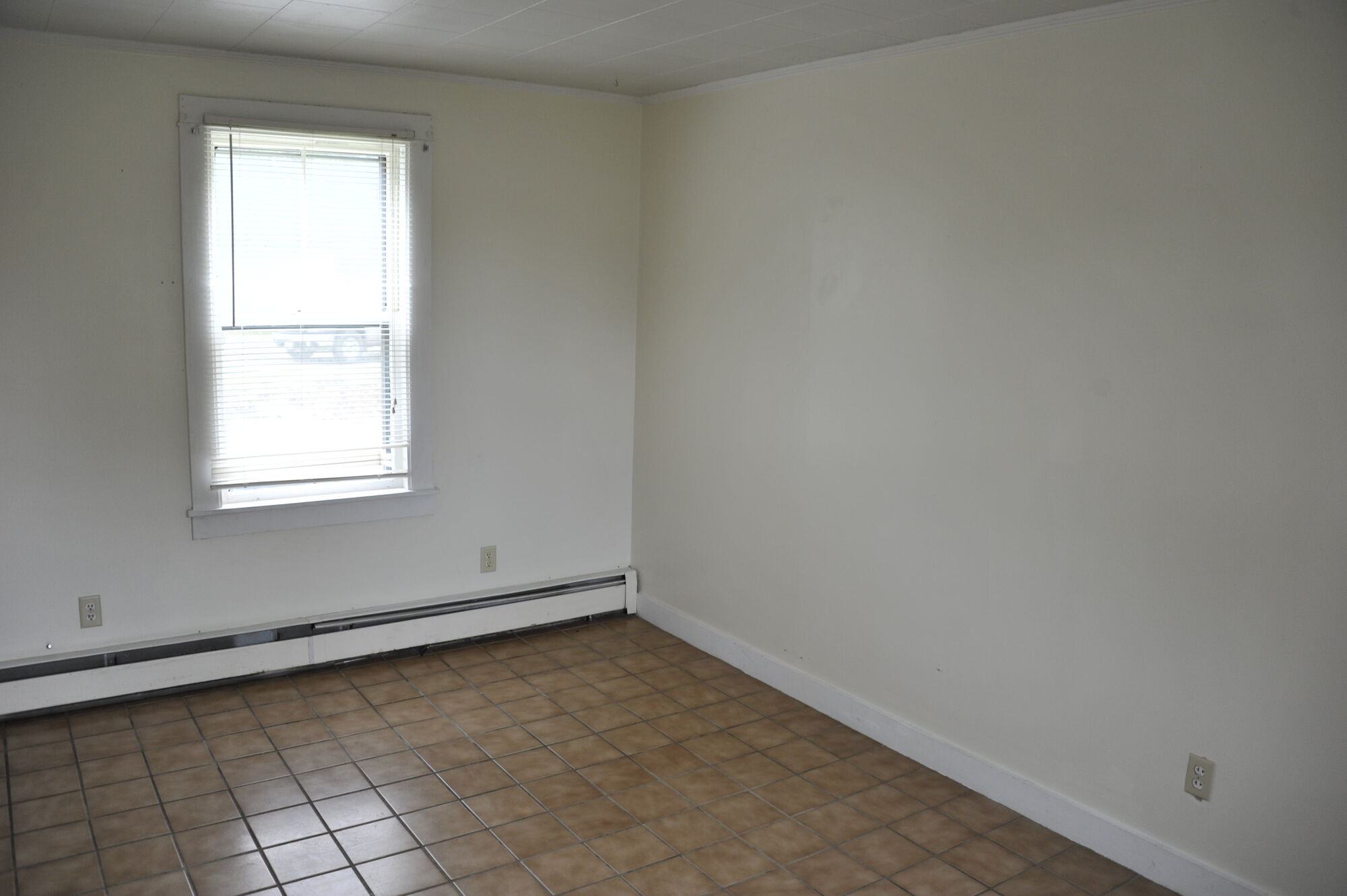
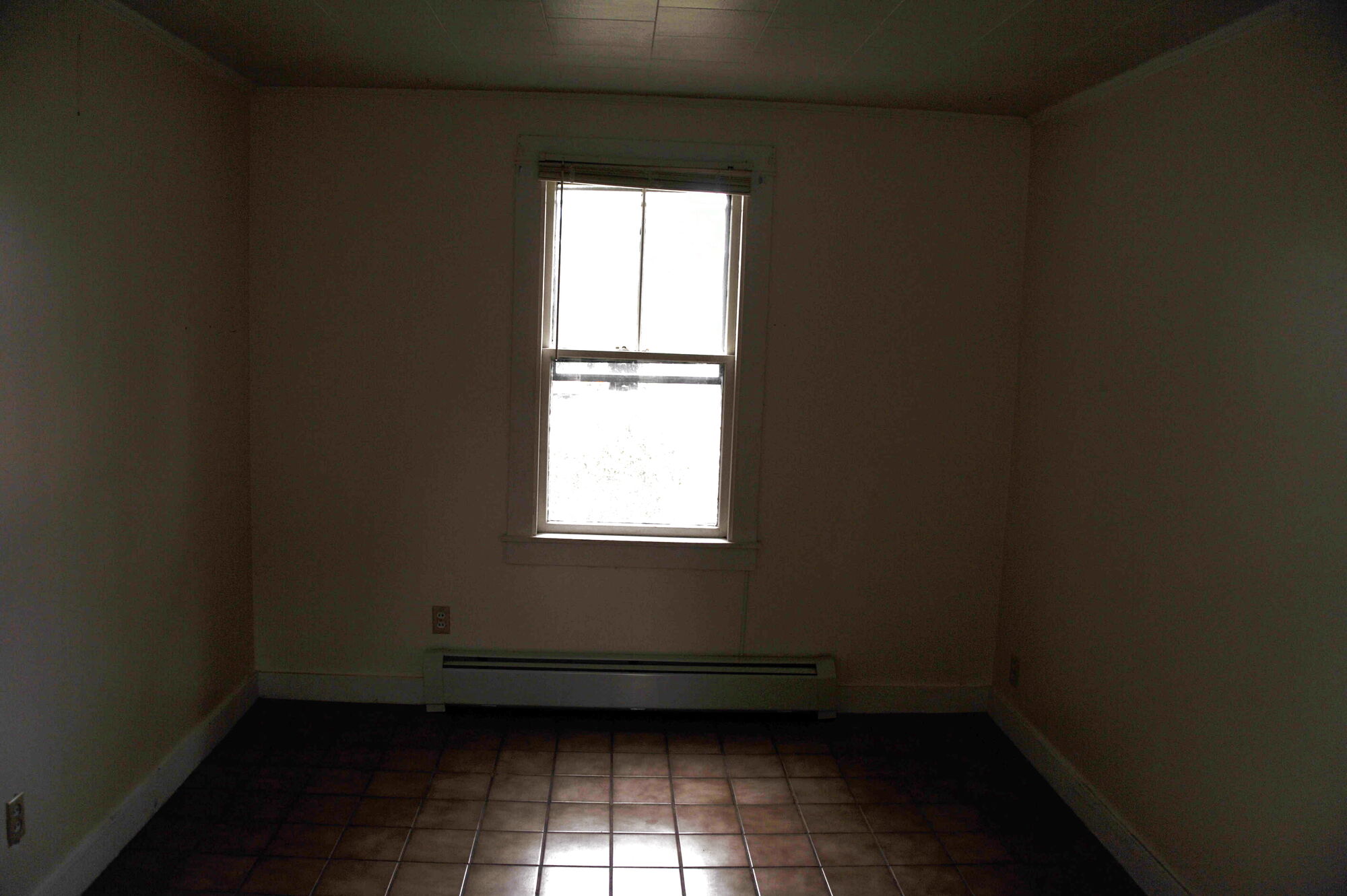
The front roomBaseboard heat, tile floor, one window doing all the work. Rooms this empty make the light itself the tenant.

Freedom mostly looks like this: a plain room, a door you hold the key to, and nobody to ask.
UpstairsWhite walls, September through the blind. Move-in ready, as the listings say — as if a life were furniture.

DuskThe same rooms going amber as the day lets go. Somewhere below, the furnace clears its throat for autumn.
Annapolis made me; New York and Binghamton keep calling me back; Bangor let me photograph its bones. Every one of those is the same country — the one where a plain house on a corner lot is a whole kingdom, and the key to it is the entire point.